Common Health Problems in Poodles: Understanding and Managing Genetic Issues
Common Health Problems in Poodles: Understanding and Managing Genetic Issues
Poodles are popular and beloved dogs known for their intelligence, elegance, and hypoallergenic coat. However, like any other breed, they are prone to certain health issues, many of which are genetically inherited. It is crucial for poodle owners and breeders to be aware of these common health problems, as early detection and appropriate management can greatly improve the well-being and quality of life for these wonderful companions.
1. Progressive Retinal Atrophy (PRA)
PRA is a group of genetic eye diseases that gradually lead to vision loss and can eventually result in complete blindness. It is one of the most common health concerns in poodles. The disease affects the retina, causing the cells responsible for vision to degenerate over time. Symptoms include night blindness, dilated pupils, and ultimately, complete vision loss. Though no cure currently exists, PRA can be detected through genetic testing, allowing responsible breeders to avoid mating dogs with the disease.
2. Hip Dysplasia
Hip dysplasia is a hereditary condition where the hip joint doesn't form properly, leading to various degrees of discomfort and impaired mobility. Signs of hip dysplasia include difficulty standing up, lameness, and reluctance to exercise. While it cannot be cured, there are management options available to mitigate the pain and discomfort associated with this condition, such as weight control, physical therapy, and joint supplements. Responsible breeding practices and screening can help reduce the likelihood of hip dysplasia in future generations.
3. Addison's Disease
Addison's disease, also known as hypoadrenocorticism, is a hormonal disorder that affects the adrenal glands. Symptoms are typically nonspecific, making diagnosis challenging. Common signs include lack of appetite, lethargy, weight loss, vomiting, and diarrhea. Regular veterinary check-ups and blood tests can aid in early detection and prompt treatment, which involves lifelong hormone replacement therapy. While Addison's disease cannot be prevented, responsible breeding can play a crucial role in reducing the occurrence of this condition.
4. Sebaceous Adenitis
Sebaceous adenitis is a skin disease that primarily affects poodles, causing inflammation and dysfunction of the sebaceous glands. This leads to dry, scaly skin, hair loss, and a predisposition to secondary skin infections. Although there is no cure, the symptoms can often be managed through regular grooming, medicated shampoos, and proper skin care. Poodle owners should also consider genetic testing before breeding to reduce the chance of passing on this condition.
5. Thyroid Disorders
Poodles are prone to various thyroid disorders, such as hypothyroidism and autoimmune thyroiditis. These conditions can result in a wide range of symptoms, including weight gain, lethargy, hair loss, and skin problems. Accurate diagnosis through blood tests is essential for appropriate treatment, which typically involves lifelong thyroid hormone supplementation. Regular monitoring and responsible breeding practices can help control the prevalence and impact of thyroid disorders in poodles.
Understanding the common health problems in poodles is crucial for both current and prospective owners. By staying informed and working closely with veterinarians, breeders, and genetic testing services, we can ensure these amazing dogs live long and healthy lives. Remember, responsible breeding and proactive management are key to reducing the incidence and impact of genetic issues in poodles.
Preventive Care and Nutrition: Ensuring the Well-being of Poodle Dogs
Poodles are known for their intelligence, elegance, and curly-coated appearance, making them one of the most popular dog breeds worldwide. Unfortunately, like any other breed, poodles are susceptible to certain health issues and concerns. However, with proper preventive care and nutritious diet, owners can ensure their poodles have a long, healthy, and happy life.
Regular Veterinary Check-ups
Regular veterinary check-ups are crucial for maintaining the well-being of your poodle. These visits allow early detection and prevention of potential health issues. During check-ups, the veterinarian will perform a comprehensive examination, including checking for any signs of health concerns such as skin allergies, ear infections, or dental problems. Routine vaccinations, deworming, and parasite prevention are also essential to keep your poodle protected from various diseases.
Exercise and Mental Stimulation
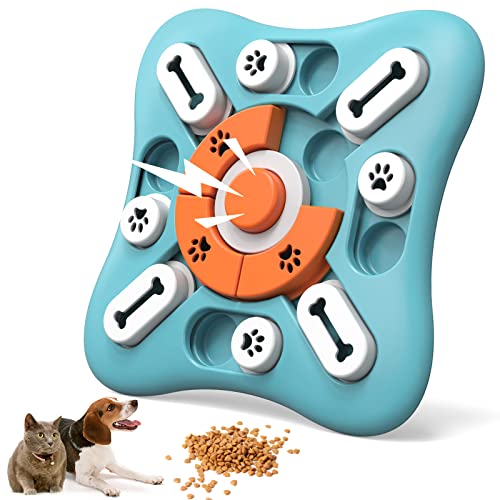
Poodles are intelligent and active dogs that require regular exercise and mental stimulation to stay healthy and content. Daily walks, playtime, and interaction with other dogs can help prevent obesity and keep your poodle mentally sharp. Engaging in activities like obedience training, agility, and puzzle toys can provide mental challenges and prevent boredom, leading to a happier and healthier poodle.
Proper Nutrition
A nutritious diet tailored to your poodle's specific needs is vital for their overall health and well-being. Consult with your veterinarian to determine the appropriate type and amount of food for your poodle, taking into consideration their age, weight, and any existing health conditions. High-quality commercial dog food or a well-balanced homemade diet can provide the necessary nutrients, vitamins, and minerals. Avoid feeding your poodle table scraps or human food, as certain ingredients can be toxic or harmful to their health.
Additionally, dental health is an essential part of your poodle's overall well-being. Regularly brushing their teeth and providing dental treats or toys help prevent dental issues such as tartar buildup and periodontal disease.
Grooming and Coat Care
Poodles have a distinctive coat that requires regular grooming to prevent matting and keep their skin healthy. Regular brushing, at-home bathing, and scheduled professional grooming sessions are necessary to maintain their coat's condition and prevent skin infections. It's important to check and clean your poodle's ears regularly to prevent ear infections, trim their nails regularly, and keep their eyes clean and free from any discharge.
Environmental Safety
Poodles are known for their love of water, but owners should be cautious about their safety in and around water bodies. Just like humans, dogs can drown or experience water-related accidents. Always supervise your poodle while they are near water to ensure their safety.
Moreover, poodles are sensitive to extreme temperatures, so provide them with a comfortable environment. Avoid leaving them outdoors for extended periods during hot or cold weather and always provide access to fresh water and shade.
In conclusion, preventive care and nutrition are crucial in ensuring the well-being of poodle dogs. Regular veterinary check-ups, exercise, mental stimulation, proper nutrition, grooming, and environmental safety are all vital components in raising a healthy and happy poodle. By following these guidelines, you can enjoy many wonderful years with your beloved poodle companion.
Poodle-Specific Health Concerns: From Skin Allergies to Dental Health
While Poodles are known for their elegant appearance and intelligence, like all dog breeds, they can be susceptible to specific health concerns. Being aware of these issues and taking proper precautions can help ensure your Poodle lives a long and healthy life. In this section, we will discuss some of the most common health concerns that Poodle owners should be aware of:
Skin Allergies
Poodles are prone to various skin allergies, which can cause intense itching, rashes, and discomfort. These allergies can be triggered by environmental factors such as pollen, dust mites, or certain chemicals, as well as food allergies. If you notice your Poodle excessively scratching, biting, or licking their skin, it is essential to consult with a veterinarian. They can help determine the cause of the allergy and develop a treatment plan, which may include dietary changes, medications, or allergy shots.
Ear Infections
The floppy and hairy ears of Poodles can trap moisture, leading to ear infections. Regular ear cleaning and grooming are crucial to prevent such infections. Excess hair inside the ear can also be plucked to allow better ventilation and reduce the risk of infections. If you notice your Poodle shaking their head, scratching their ears, or there is an unpleasant odor emanating from their ears, it could be a sign of an infection. In such cases, consult with your veterinarian for proper diagnosis and treatment.
Dental Health
Poodles are prone to dental issues, including tooth decay, gum disease, and tooth loss. Regular dental care is vital to maintain their oral health. This entails brushing their teeth regularly with dog-friendly toothpaste, offering dental treats or toys, and scheduling professional dental cleanings as recommended by your veterinarian. Neglecting your Poodle’s dental health can lead to pain, difficulty eating, and potentially serious infections that can affect other organs.
Progressive Retinal Atrophy
Progressive Retinal Atrophy (PRA) is a hereditary eye condition that eventually leads to blindness. Poodles are among the dog breeds genetically predisposed to this condition. While there is no cure for PRA, early detection through regular eye examinations can help slow down the progression and allow you to make necessary adjustments to ensure your Poodle’s wellbeing.
Joint Disorders
Poodles, especially Standard Poodles, can be prone to joint disorders such as hip dysplasia and patellar luxation. These conditions affect the normal functioning of the joints, leading to discomfort, lameness, and difficulty in movement. Regular exercise, maintaining a healthy weight, and providing a balanced diet can help reduce the chances of developing these joint disorders. Genetics also play a significant role, so it is advisable to obtain your Poodle from a reputable breeder who screens their breeding dogs for such conditions.
Remember, while being aware of breed-specific health concerns is essential, regular veterinary check-ups and maintaining a healthy lifestyle are key to managing any potential health issues your Poodle may encounter. By providing them with love, proper care, and attention, you can ensure they live a happy and fulfilling life.